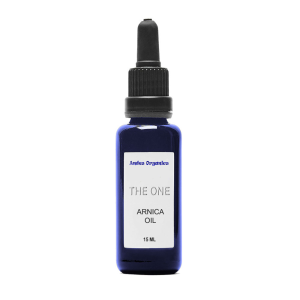
Description
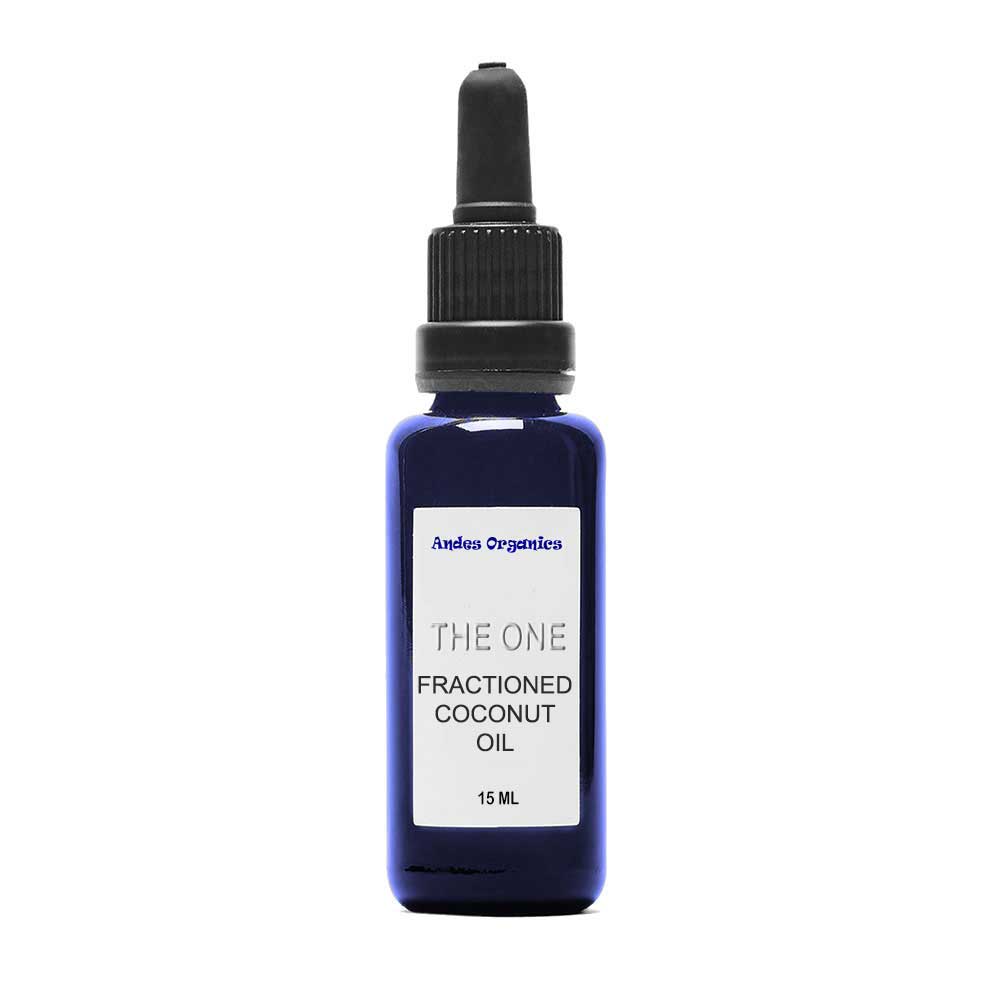
Enjoy the purity that you can only obtain form THE ONE Essential Botanical Oils!
Coconut oil and fractionated coconut oil are both derived from the coconut, but they have distinct properties, uses, and benefits. Here’s a breakdown of the key differences:
1. Extraction Process:
- Coconut Oil:
- Obtained by pressing the flesh of the coconut. It can be extracted using methods like cold pressing or heat extraction, resulting in either virgin or refined coconut oil.
- Fractionated Coconut Oil:
- Made by fractionating (or separating) the different fatty acids in coconut oil. The process typically involves heating coconut oil to separate the medium-chain triglycerides (MCTs) from the long-chain fatty acids. This leaves a clear, liquid oil. Nevertheless, THE ONE Fractioned Coconut Oils is one of the few in the market that is not heated in any state during its production.
2. Composition:
- Coconut Oil:
- Contains a mixture of medium-chain and long-chain fatty acids, including lauric acid, which gives it its characteristic properties and aroma. It solidifies at cooler temperatures and has a rich coconut flavor and scent.
- Fractionated Coconut Oil:
- Primarily composed of medium-chain fatty acids (like caprylic and capric acid) and remains liquid at room temperature. It has little to no scent and is colorless, making it ideal for various applications where odor is a consideration.
3. Physical Properties:
- Coconut Oil:
- Solidifies when exposed to cooler temperatures (below approximately 76°F or 24°C) and can have a creamy texture.
- Fractionated Coconut Oil:
- Always remains in liquid form and has a lighter texture, making it easily absorbed by the skin.
Either as fractioned oil or regular texture, Coconut oil is a versatile and natural oil that offers numerous benefits for the skin, hair, and body. Here’s a breakdown of its key advantages:
For Skin:
- Moisturization: Coconut oil is an excellent natural moisturizer, providing hydration and preventing dryness. It is easily absorbed and leaves the skin feeling soft and supple.
- Anti-aging: Its antioxidant properties help combat free radicals, reducing the appearance of fine lines and wrinkles, promoting a more youthful look.
- Healing Properties: Coconut oil has anti-inflammatory and antibacterial properties that can help heal minor cuts, wounds, and irritations, and may reduce the risk of infection.
- Sun Protection: While not a substitute for sunscreen, coconut oil offers a small amount of UV protection and can soothe sunburned skin.
- Acne Treatment: It can help reduce acne due to its antimicrobial properties, although it may clog pores for some individuals, so it should be used with caution on acne-prone skin.
- Makeup Remover: Coconut oil effectively dissolves makeup, making it an excellent natural makeup remover.
For Hair:
- Deep Conditioning: Coconut oil penetrates the hair shaft, providing deep conditioning and hydration. It helps repair damaged hair, making it softer and more manageable.
- Reduces Protein Loss: Regular use can prevent protein loss in hair, helping to maintain its strength and health.
- Frizz Control: It helps tame frizz and flyaways, giving hair a smoother and shinier appearance.
- Dandruff Treatment: Its antifungal properties can help combat dandruff and soothe an itchy scalp.
- Promotes Hair Growth: Massaging coconut oil into the scalp can improve blood circulation, promoting healthy hair growth.
For Body:
- Body Moisturizer: Coconut oil can be used as an all-over body moisturizer, providing hydration and leaving skin soft.
- Massage Oil: Its smooth texture makes it an excellent choice for massage oil, helping to relax muscles and soothe the body.
- Anti-inflammatory: Its anti-inflammatory properties can help reduce inflammation and irritation in conditions like eczema or psoriasis.
- Weight Management: Consuming coconut oil in moderation may aid in weight management due to its medium-chain fatty acids, which can boost metabolism.
- Digestive Health: When ingested, coconut oil can promote gut health by helping balance gut bacteria.
Net content: 15 ml. (0.5 fl. oz.)
Pure cold pressed coconut oil that has had certain fatty acids separated from regular coconut oil, resulting in a lightweight, liquid oil.
Fractionated coconut oil is a versatile and lightweight oil, making it ideal for both skin and hair. Here’s how to apply it effectively:
For Skin:
- As a Moisturizer:
- Method: Take a small amount of fractionated coconut oil in your palms.
- Application: Gently massage the oil into your skin, focusing on dry areas like elbows, knees, or hands. It absorbs quickly and leaves the skin soft without feeling greasy.
- Frequency: Use daily after showering or as needed for hydration.
- For Massage:
- Method: Warm a small amount of oil between your hands.
- Application: Massage the oil into the skin using gentle, circular motions. It works well as a massage oil due to its smooth texture and quick absorption.
- Frequency: Use whenever needed for relaxation and muscle relief.
- As a Carrier Oil (for Essential Oils):
- Method: Mix a few drops of your chosen essential oil with fractionated coconut oil.
- Application: Apply the mixture to your skin for targeted relief or aromatherapy purposes.
- Frequency: Use as needed, depending on the essential oil’s purpose.
- For Makeup Removal:
- Method: Apply a small amount of oil to a cotton pad or your fingers.
- Application: Gently massage over the face to remove makeup, then wipe off with a clean cloth or rinse with warm water.
- Frequency: Use daily as part of your nighttime routine.
For Hair:
- As a Leave-in Conditioner:
- Method: Take a few drops of fractionated coconut oil and rub between your palms.
- Application: Apply to the ends of damp or dry hair to reduce frizz and add shine.
- Frequency: Use as needed to control frizz and add smoothness.
- As a Scalp Treatment:
- Method: Part your hair and apply the oil directly to your scalp.
- Application: Massage gently into the scalp to promote circulation and moisture.
- Leave-on Time: Leave for 30 minutes to an hour, or overnight for deeper conditioning, then wash out.
- Frequency: Use once or twice a week for scalp hydration and dandruff relief.
- For Hair Mask:
- Method: Mix fractionated coconut oil with other ingredients like honey or avocado.
- Application: Apply the mixture to your hair from roots to tips.
- Leave-on Time: Leave for 20-30 minutes before rinsing and washing as usual.
- Frequency: Use weekly for deep conditioning.
Precautions:
- Patch Test: If you have sensitive skin, perform a patch test before widespread use.
- Use Sparingly: A small amount of fractionated coconut oil goes a long way, especially for hair, to avoid greasiness.